All of these limericks were either originally posted to Esther Chilton’s Laughing Along With A Limerick or somewhere else during the month of October 2026.
The Song of the Wonderful Woo
There once was a wonderful woo who didn’t know what he should do. So, he sang a sweet song hoping you’d sing along. And you did! Even you can sing, too!
Oh, the light is so bright when it’s light and not dark like the darkness of night
Hip Limerick
Though I try very hard to be hip giving others an earful of lip, my mouth runs way too fast and the words sadly last when I should have just bitten my lip.
All these works are their fruit. You can tell if it’s heavenly earth or dark hell. When you shop, stop to see if the fruit of the tree is a work only devils would sell.
Prompt word: “” October 19, 2026 (modified)
with the sun softly warming the sight.
Busy Leaf
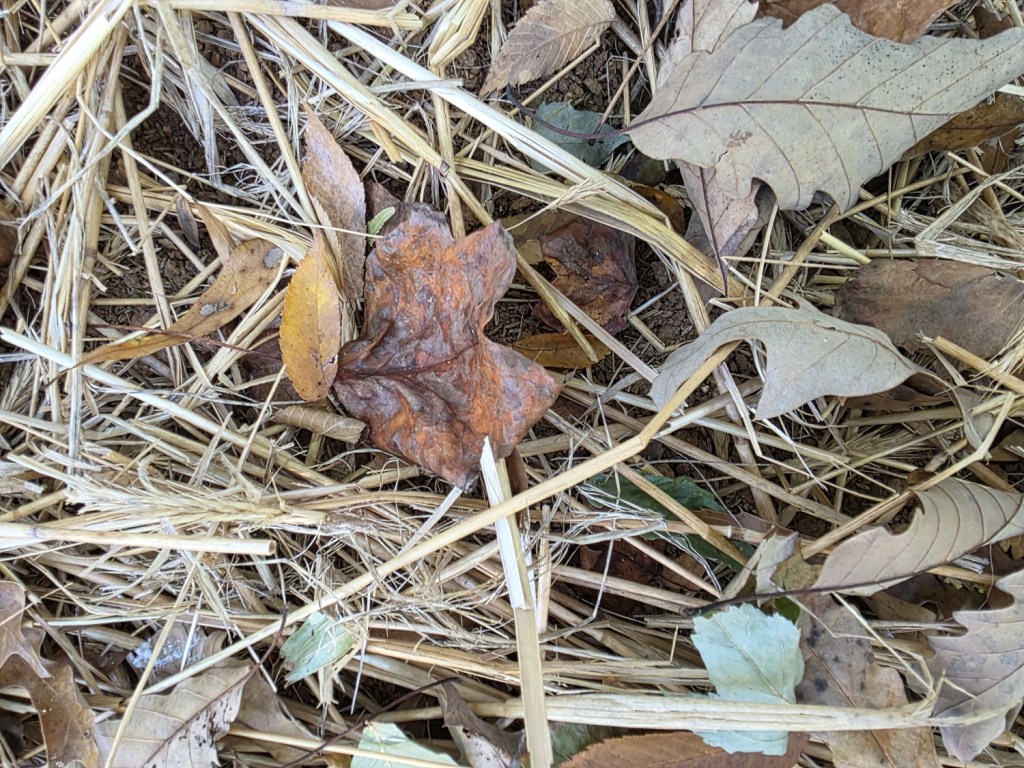
Since sweet time is a thief, I’ll be brief. Since the job I must do is the chief concern on my mind. Let the summer unwind. On this branch is a true, busy leaf.
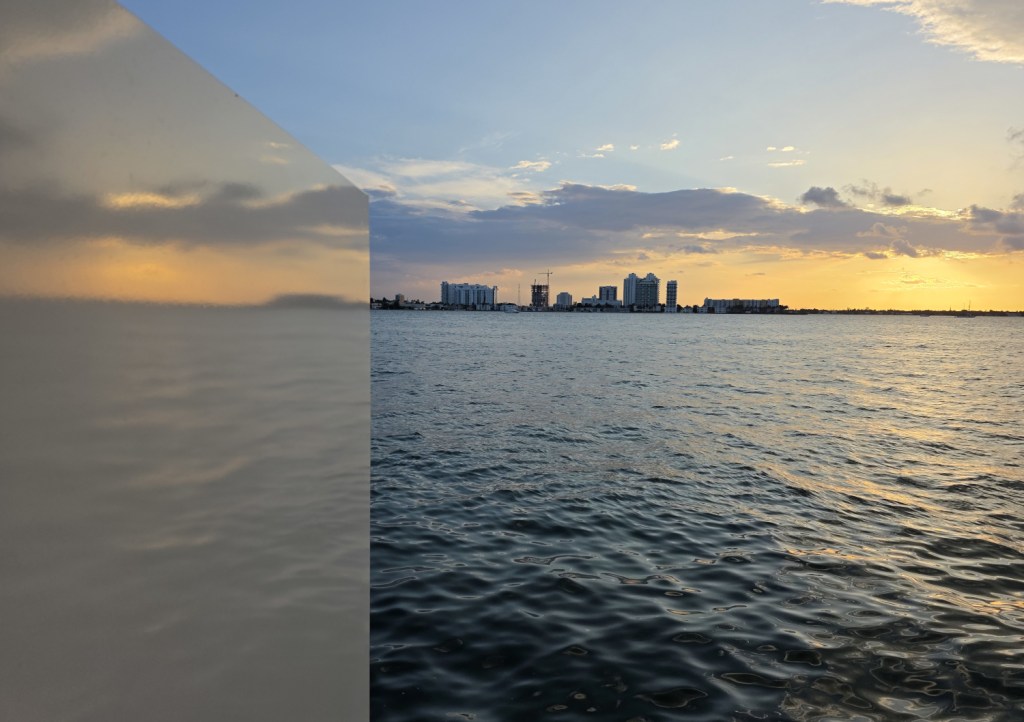
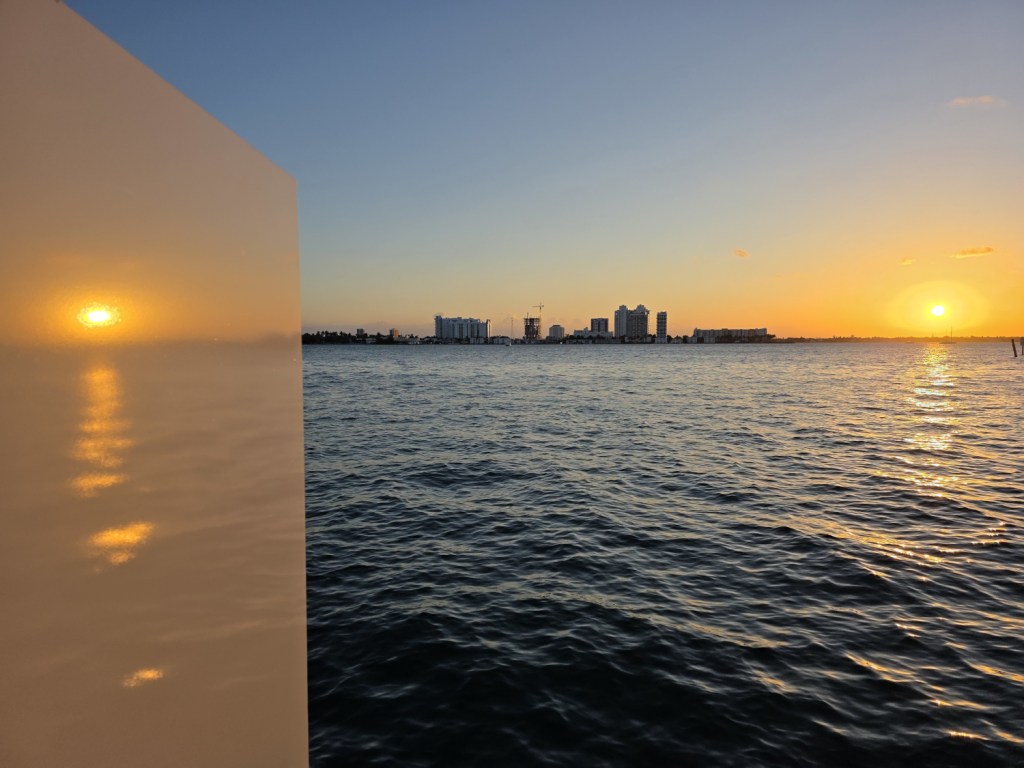
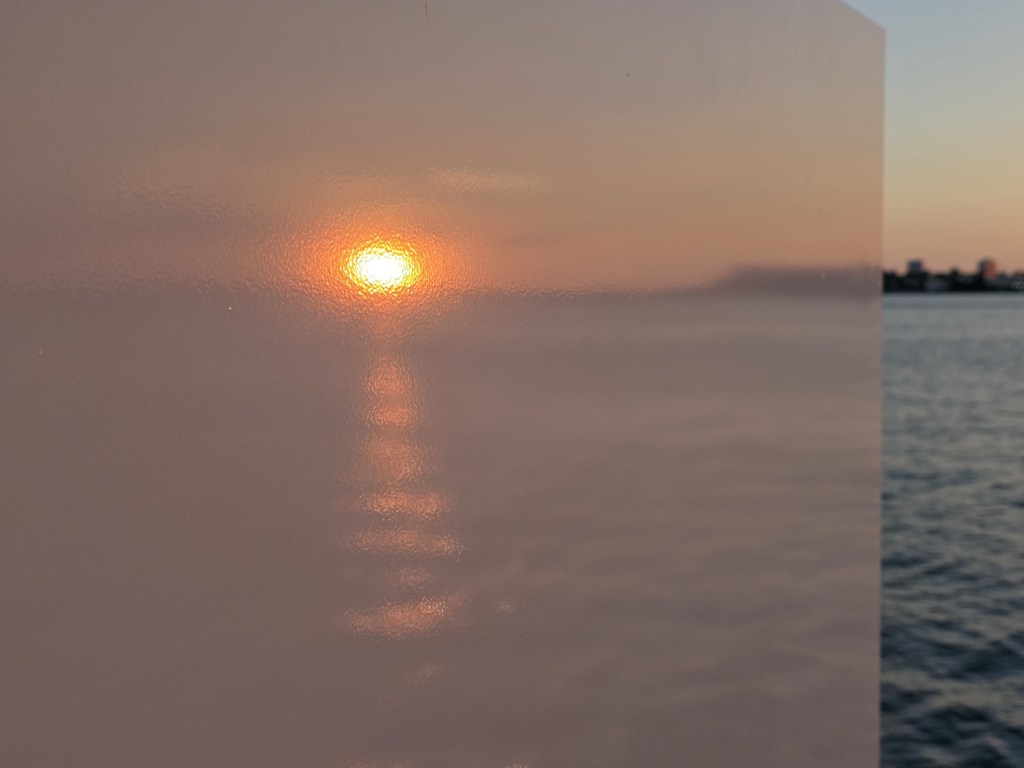
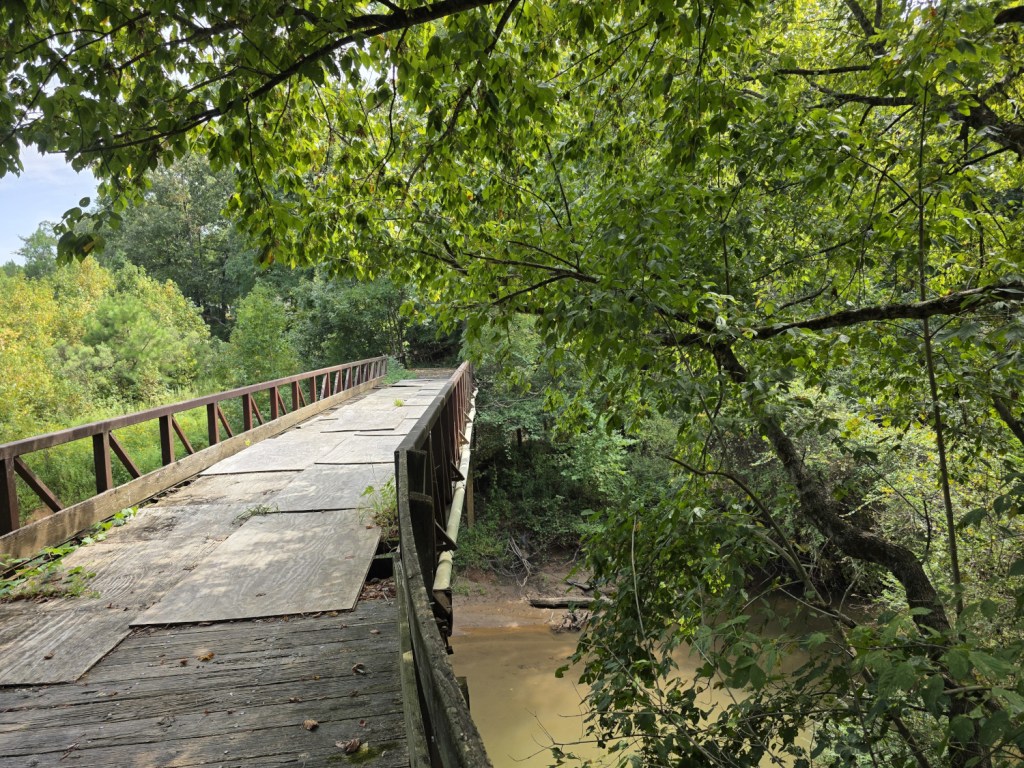
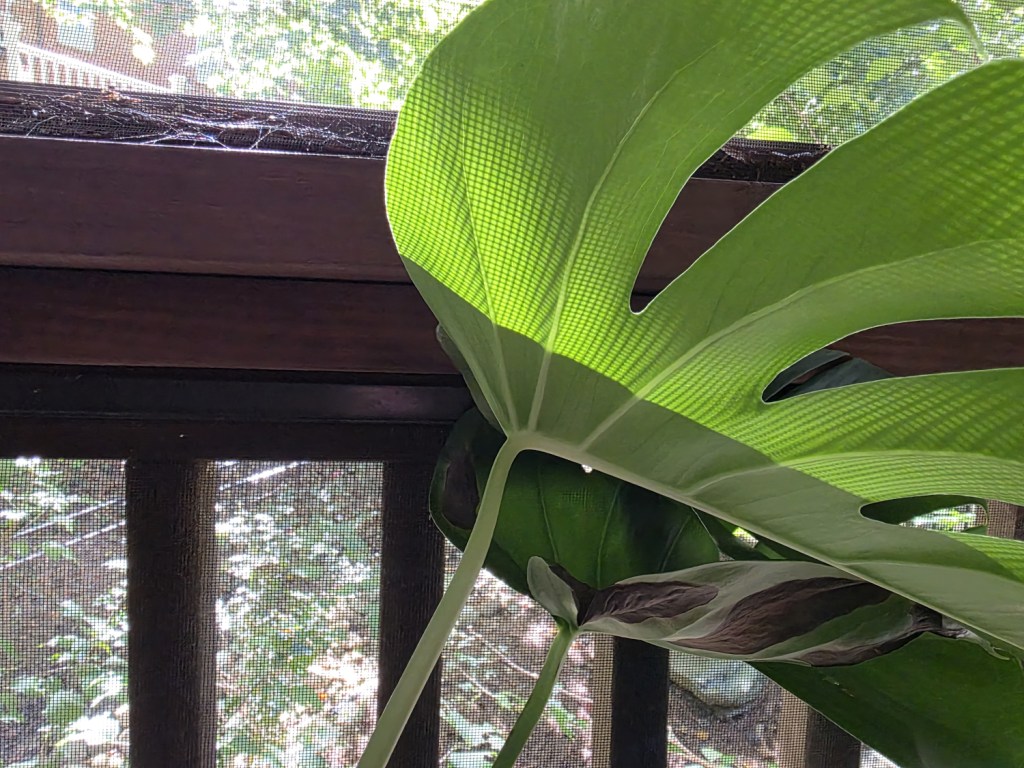
https://fresh.inlinkz.com/js/widget/load.js?id=c0efdbe6b4add43dd7ef(1) I crossed the sketchy bridge and (2) I survived! (It was actually very solid.)(3) green houseplants and (4) screens making shadows(5) bricks and (6) mortar(7) wallpaper in (8) fancy colors(9) colorful dots on (10) monitors
Genesis 6:14-16 KJV – 14 Make thee an ark of gopher wood; rooms shalt thou make in the ark, and shalt pitch it within and without with pitch. 15 And this is the fashion which thou shalt make it of: The length of the ark shall be three hundred cubits, the breadth of it fifty cubits, and the height of it thirty cubits. 16 A window shalt thou make to the ark, and in a cubit shalt thou finish it above; and the door of the ark shalt thou set in the side thereof; with lower, second, and third stories shalt thou make it.
Boat or Box
The word for “ark” (Hebrew: תֵּבָה) means box. It doesn’t mean “boat”, which would be אֳנִיָּה.
There were no sails. There were no oars. There was a window, a door, and rooms on three stories inside. It was 300 cubits long. It was 50 cubits wide. It was 30 cubits high. It was a box. It was not built to go anywhere. It was built to float until it grounded after the flood waters retreated.
Many folk think that the global flood never happened. Many folk think the Bible repeated tales that were already well known. Many folk think all kinds of stuff.
The global flood occurred. The biblical account is accurate. Walt Brown offered the hydroplate theory describing what happened during the flood. One can read his book, In the Beginning: Compelling Evidence for Creation and the Flood, at the Creation Science Center. I find it compelling, although not all creationists do.
So When Did the Flood Occur?
Based on his textual reconstruction of the Genesis 5 and 11 genealogies, Henry B. Smith, Jr. estimates it occurred in 3298 BC.
Walt Brown estimates the flood occurred in 3290 BC based on the orbits of the comets Halley and Swift-Tuttle. See pages 580-583 of In the Beginning.
Based on Dodwell’s obliquity of the ecliptic data, John Hartnett estimates it occurred in 3154 ± 191 BC.
Those estimates put creation at about 7600 years ago. This clearly conflicts with the 6000 year age of the Earth in the James Ussher chronology. Although I think this longer biblical chronology is more accurate, not all creationists agree.
What Is Your Biblical Chronology?
I know of no one who agrees with me on every point of this biblical chronology. If you don’t, you are one among everyone else.
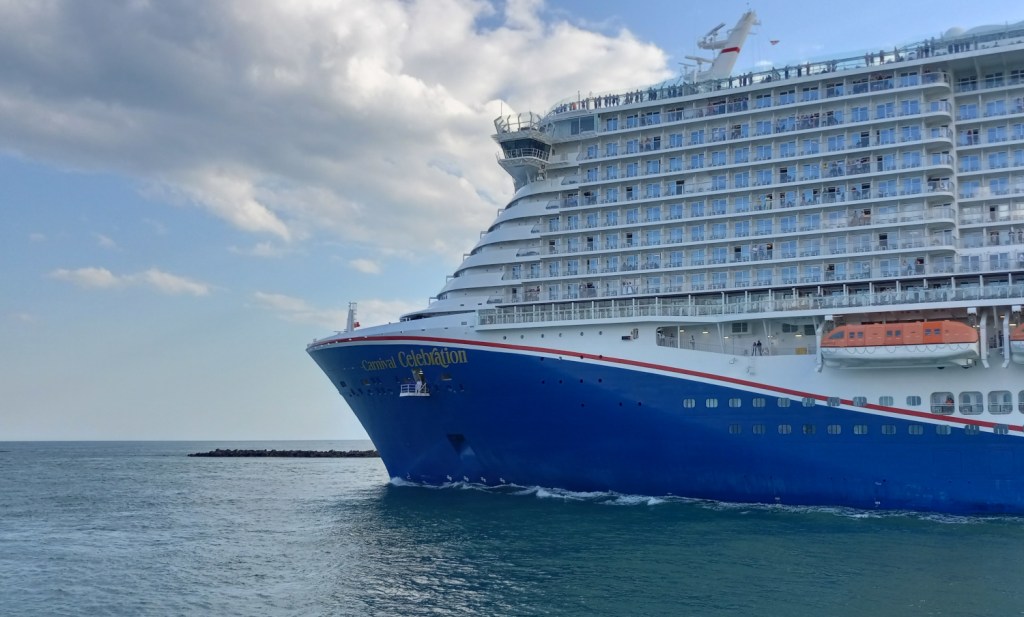
That’s not Noah’s Ark. It’s a big boat leaving Miami. Noah had nowhere to go. He was waiting for the floating to stop, the dry land to appear, and the Lord to tell him to get out of the Ark.
During the Age of Mistaken Mythology, while Gabriel, Brian, and Edgar were eating, Brian asked Edgar, “What if the Earth were flat like this pizza…”
Gravity would pull the edges towards the center. Not knowing what to do with all the stuff gravity forced it to hold, the center would puff out. In no time, you’d have a big, beautiful ball.
Brian said, “I was going to ask, ‘How would it taste?'”
                                   Isaiah 40:22 NKJV
                       It is He who sits above the circle of the earth,
                       And its inhabitants are like grasshoppers,
                       Who stretches out the heavens like a curtain,
                       And spreads them out like a tent to dwell in.
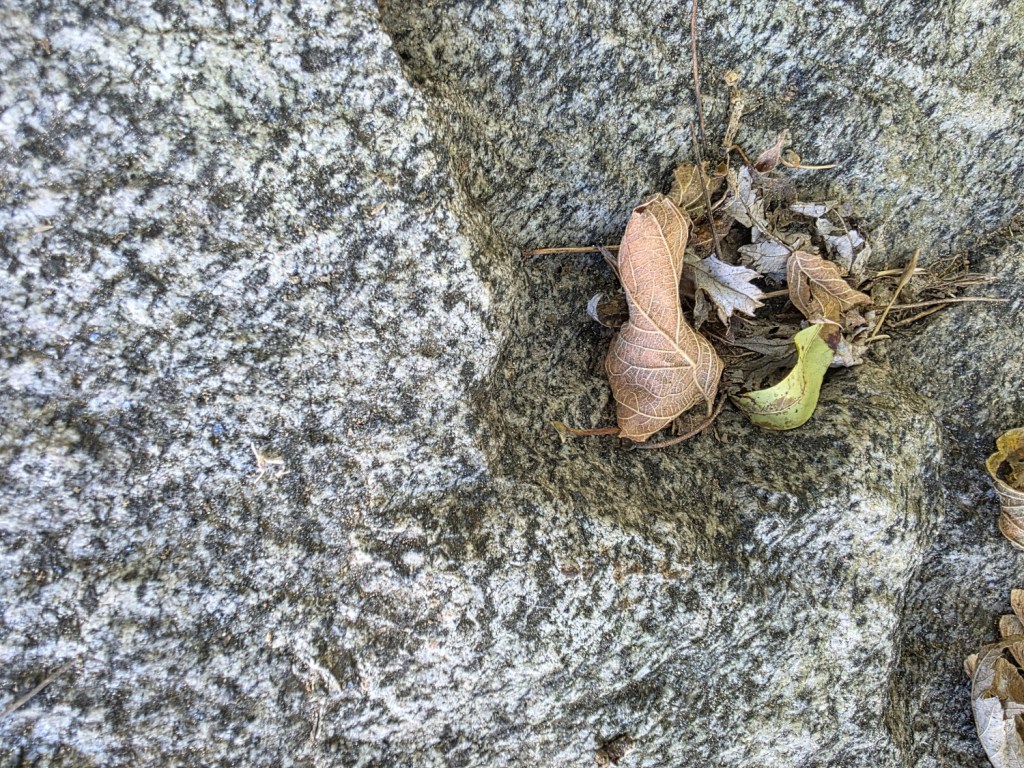
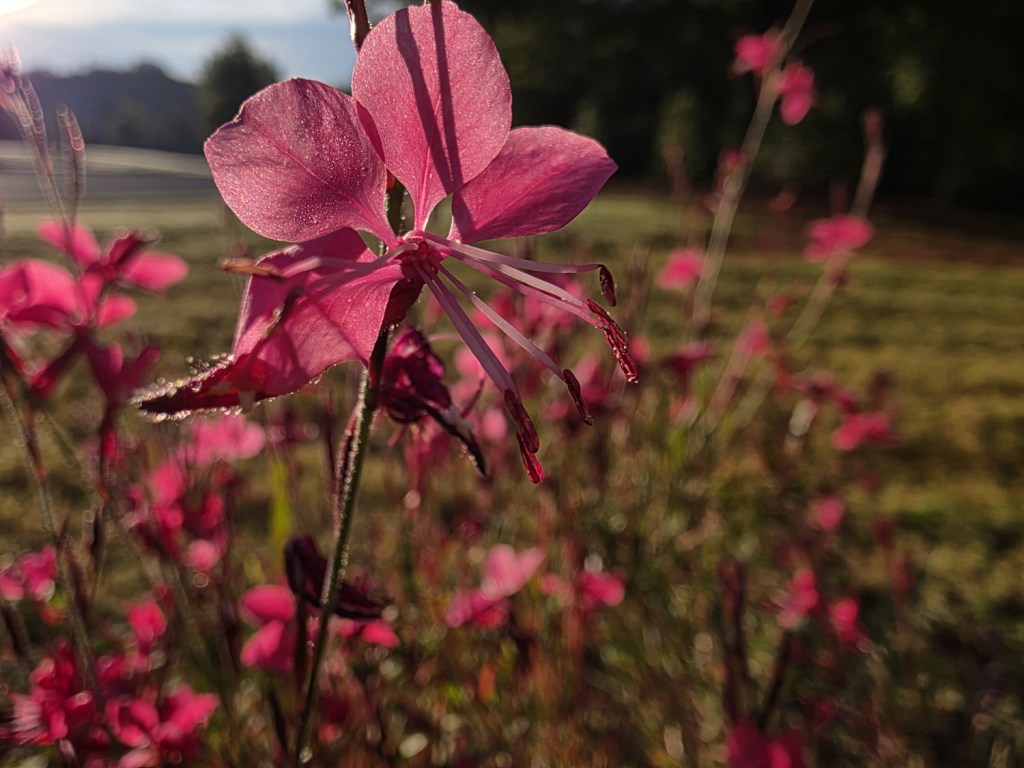
https://fresh.inlinkz.com/js/widget/load.js?id=c0efdbe6b4add43dd7ef(1) quartz (?) and (2) granite (?)(3) roses and (4) orange flowers(5) lights (6) reflecting off a blue balloon(7) fuzzy screen windows and (8) fuzzier landscape(9) morning sunlight (10) through pink flowers
Gabriel described the period they were living through as the Age of Mistaken Mythology. Although it sounded like a backhanded curse, Gabriel didn’t know what “mistaken mythology” meant. How would anyone understand what he was living through before it ended unless someone told him in advance?
Gabriel’s chitchat was tolerated as long as the clock wasn’t running or their team wasn’t winning. They were happier when their team scored. When it didn’t, well, it didn’t.
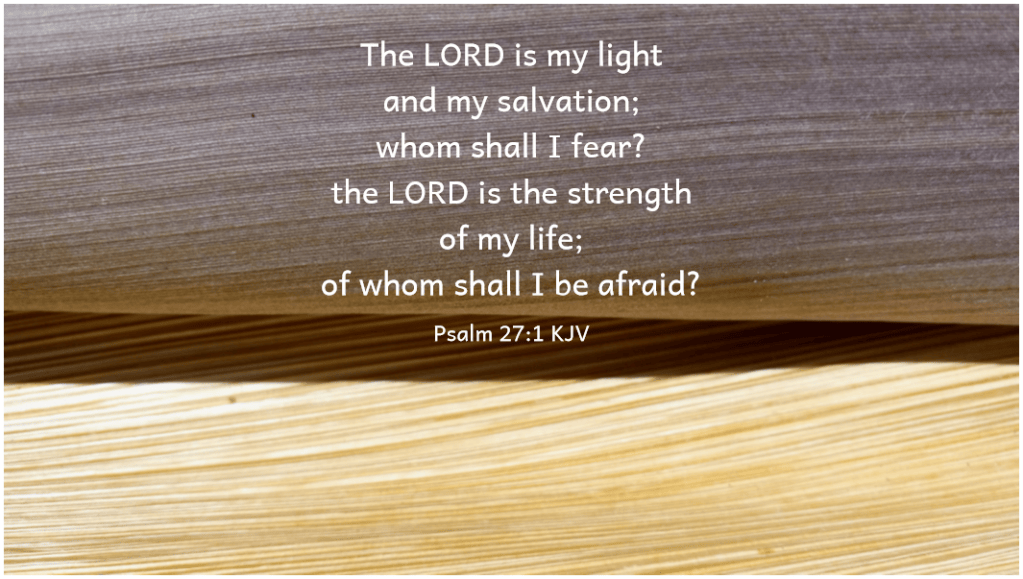
Genesis 6:13-16 KJV – 13 And God said unto Noah, The end of all flesh is come before me; for the earth is filled with violence through them; and, behold, I will destroy them with the earth. 14 Make thee an ark of gopher wood; rooms shalt thou make in the ark, and shalt pitch it within and without with pitch. 15 And this is the fashion which thou shalt make it of: The length of the ark shall be three hundred cubits, the breadth of it fifty cubits, and the height of it thirty cubits. 16 A window shalt thou make to the ark, and in a cubit shalt thou finish it above; and the door of the ark shalt thou set in the side thereof; with lower, second, and third stories shalt thou make it.