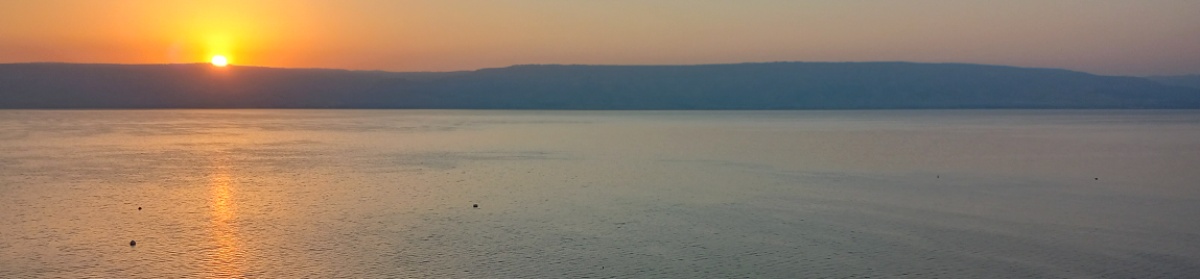
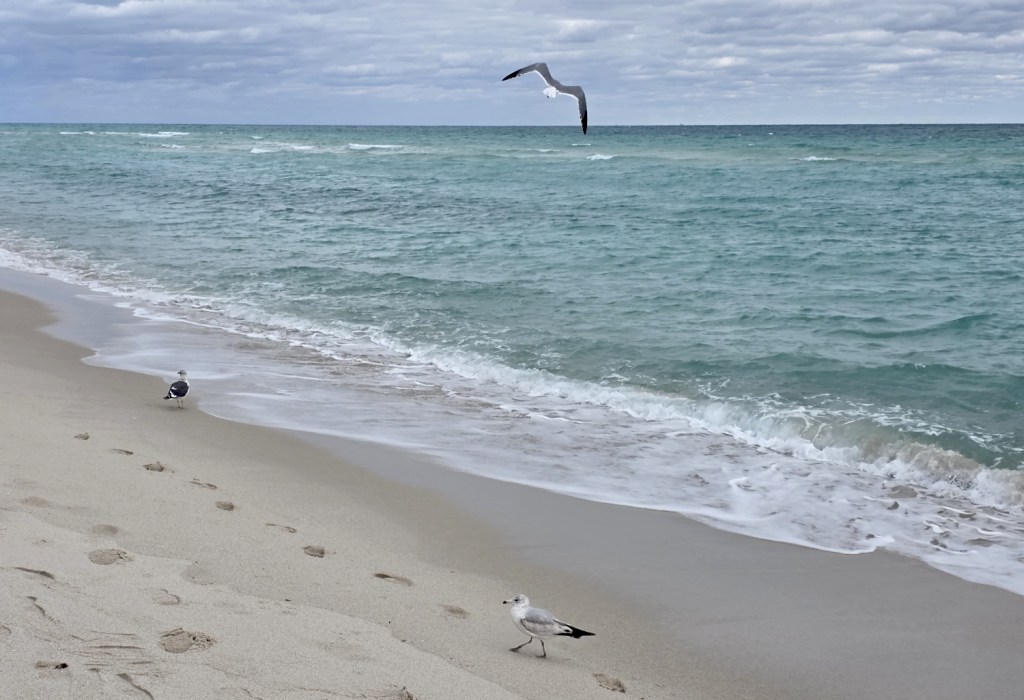
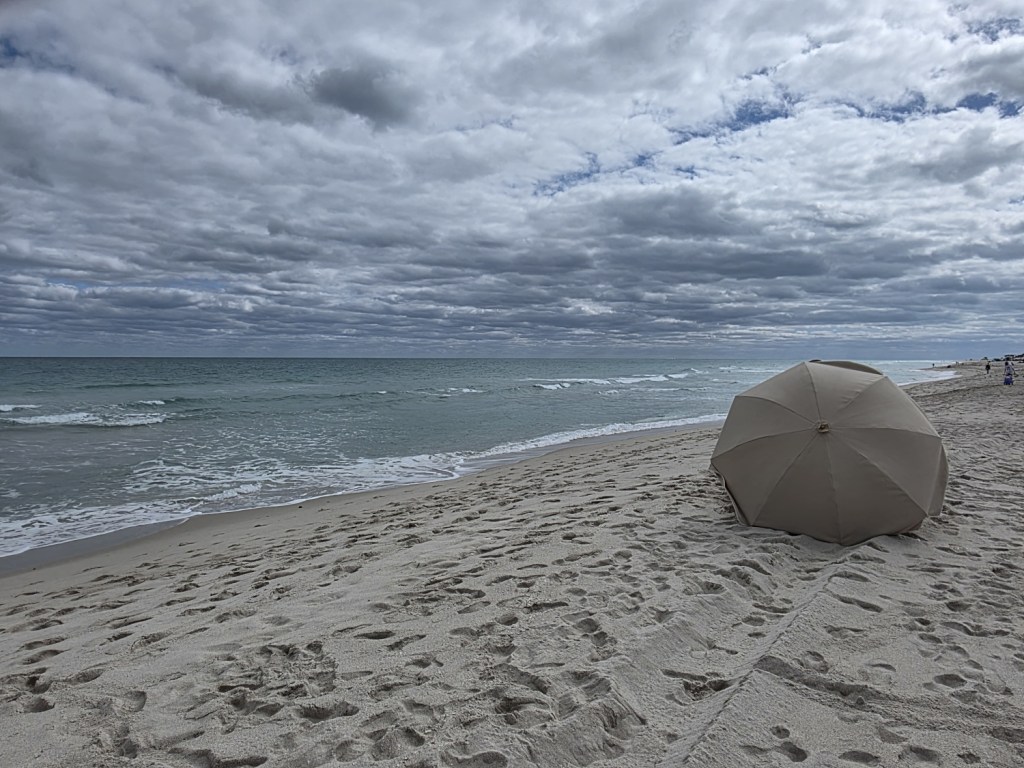
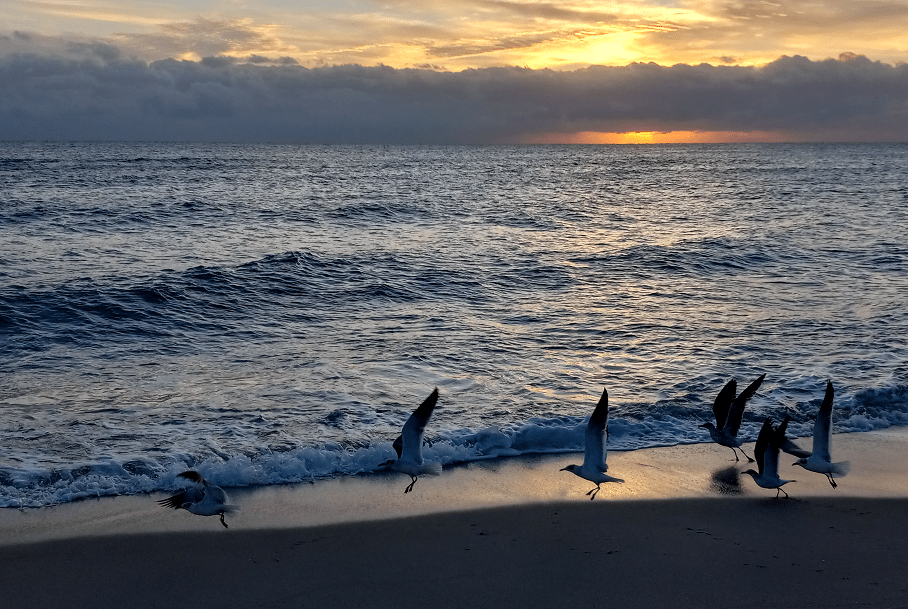
I can’t tell which season it is where I am now except by where the sun sets in the west.
Regardless what it is actually doing the sun keeps moving across the horizon back and forth throughout the year.
______
Here the sun is setting just to the right of that building.The sun is moving even further to the right.Here it is even further to the right.It looks like it is going to hit those buildings. Last night the sun lit up that building to the far right that is still under construction.
In the following video Henry B. Smith, Jr from the Associates for Biblical Research interviews Bryan Windle who provides a top ten list of archeological discoveries that justify taking the book of Esther in the Bible as actual history.
As a conclusion, Windle quotes Karen H. Jobes’ NIV Application Commentary on the book of Esther:
Judaism and Christianity rest not on the inward, mystical journey of the mind and soul of the individual, but on events in history through which the Creator-Redeemer God revealed himself to people.
Biblical narratives such as Esther are the record of those events in the form of story. Purim would be a hollow religious celebration if the Jews in Persia had not truly been delivered from destruction.
Once upon a time, after the lad-wolf incident, Save The Wolf Foundation got a few votes too many in a low turnout election (except for all the dead people who miraculously voted) for seats on the town council. As the new majority they immediately demanded that a statue be set up to honor the big bad wolf who was brutally, but deliciously, barbequed.
This plan didn’t fly well with the majority of the (living) town folk – like maybe 100% of them – who now regretted not voting because they figured no one in his right mind would vote for Save The Wolf (as indeed no one in his right mind did). Threatened to be ousted in the next election – which would be watched like a hawk – Save The Wolf compromised enough to permit the town council to commission a statue of the lad with the big bad wolf chewing his leg.
After the statue was erected the town became a notorious tourist attraction drawing visitors from far and wide who wanted to see the statue that no one in his right mind would have erected. Anyone who could find a way to profit from this unexpected popularity by delaying the tourists’ stay with some lucrative lad-wolf amusement lived happily ever after.
All of these limericks were originally posted to either Esther Chilton’s Laughing Along With A Limerick or her Writing Prompts or derived from those posts during the month of February 2026.
Crazy Or Calm
“Are you crazy?” Not yet. I’m just calm like a rash that is itching for balm like a thought I won’t think like a word with a wink like a heart beating true in your palm.
“I am flying. I’m trying. OK?” said the bird to his mama one day. Then she jumped in the nest. Pushed the chick out. The rest is now history. He’s flying. OK?
There are birds, many birds, in the air. They fly calmly. They all are aware
Poisoned Apple
There once was a queen who thought she was the loveliest queen that could be till Snow White came along. Though that apple was wrong, the queen’s gone, right or wrong, thankfully.
I could drive, but I’d much rather walk. I could fly, if I could, like a hawk. Since I know that a lie makes a mess, I will try not to lie, but beware when I talk.
The dim light wasn’t bright as was right. Were it bright I would dim it at night, but it’s day, as we say when dark night goes away, when the sun that’s not dim is quite bright.
Those odd memories refuse to stop like a judge seeking justice on top of your case every day. All your lawyer need say, He’s now righteous. So, let the case drop.
All my worries are worrying fast. They have cast into now what was past, but today is today and the past’s gone away so this worrisome present can’t last.
So I told him it’s better to write a love poem than whine through the night. But his taste wasn’t for all that mushy stuff or he got wrong what he wouldn’t get right.
Once upon a time when big bad was being barbecued Save The Wolf Foundation organized a massive protest. Almost ten people showed up each flashing a sign for cameras to catch. They screamed, yelled and whined. Then they stood in line to get some of that yummy wolf barbecue.
Save The Wolf had often been diagnosed as “terminally miserable”. Today their taste buds protested by deciding to live happily ever after.
______
Denise offers “sign” as the word to be used in this week’s Six Sentence Stories.
Dale offers the prompt “what’s flowering where you are” for this week’s Cosmic Photo Challenge.
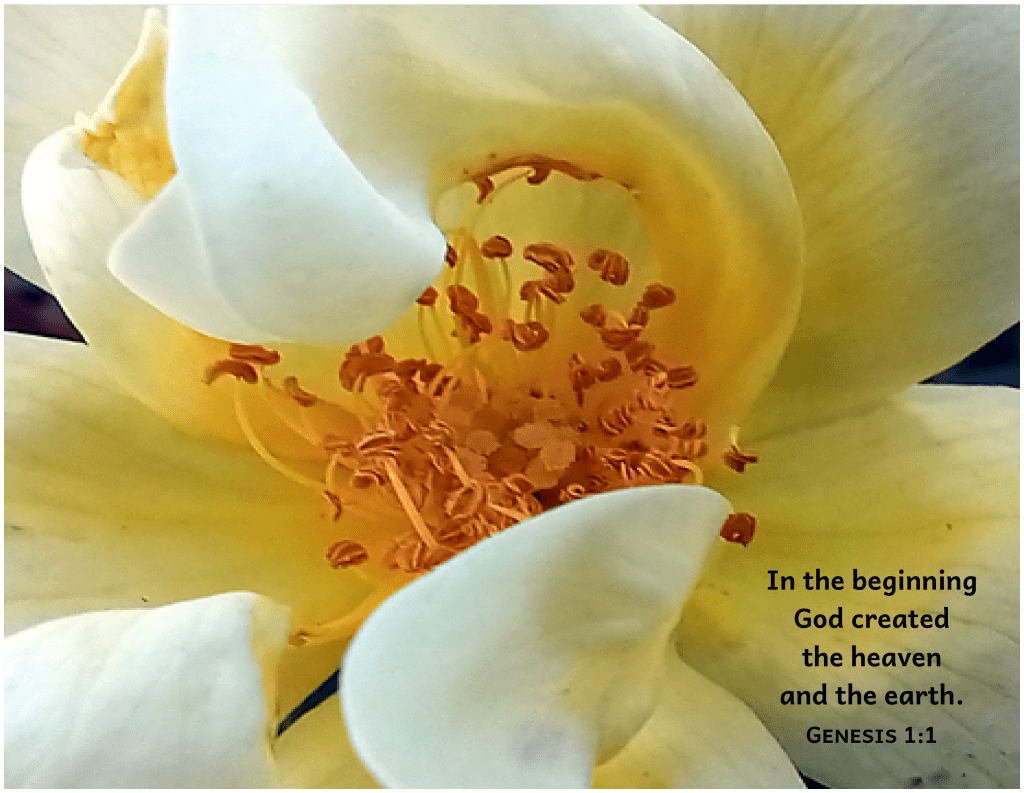
I did find an unusual white blossom recently. The first two photos show it.
The last photo is of a palm tree that I have not seen flowering, but I like the shape of the leaves.
______
I don’t know what this tree is, but it was blooming recentlyThis picture includes some of the leafThis isn’t flowering, but it is growing where I am now
This is the final video in a course on abiogenesis by Dr. James Tour. If the subject of the naturalistic origin of life from nonlife intrigues you, it may be good to keep in mind how unlikely something like that actually is. And yet here we are. How did we get here? If you don’t like Genesis, that question is not easy to answer and so far it has not been answered.
Regardless what you might hear in the media or the hype from origins of life researchers, no one has been able to create life from nonlife in a laboratory. They have done many amazing things with already existing life, but they have not started with nonliving chemicals and produced life. There are many reasons why this problem is difficult.
Life requires homochirality. Molecules do not naturally separate into left and right handed versions, but biological molecules have to for a cell to function without overheating.
Carbohydrates are the hardest to synthesize in a modern lab. How they could have synthesized in a prebiotic environment without lab equipment or trained technicians running that equipment is a mystery.
Peptides are also difficult to synthesize. Any partial success in the lab involves processes unavailable in a prebiotic environment.
Nucleotides may be easier until one tries to link them together, because they depend on synthesizing carbohydrates to get the ribose that joins them.
Lipids are sometimes said to form spontaneously. Tour said that “spontaneously” is an origin of life researcher’s code word for “I have no idea how that happened”.
Chiral-induced spin selectivity requires homochirality. It permits cell functions without overheating while maintaining the purity of the cell’s components.
RNA can not replicate enough of itself to be useful. Linking parts of it together leads to errors which make it useless. It is also unstable. The RNA World hypothesis that relies on RNA alone cannot even get started.
Life requires a non-random DNA code that can usefully direct the cell’s functions. Not just any random code will do. So even if you get past the other problems of synthesizing a cell from chemicals, the information problem blocks the process. How does mindless nature know what a useful code sequence could be?
Even though Bahnsen’s lecture is some decades older than Tour’s course, Bahnsen’s chemical arguments against life coming from nonlife is in line with what Tour had to say. And Tour’s objections to abiogenesis reinforced Bahnsen’s assessment of evolution in general, not just abiogenesis, as a “grand fairy tale for adults”.