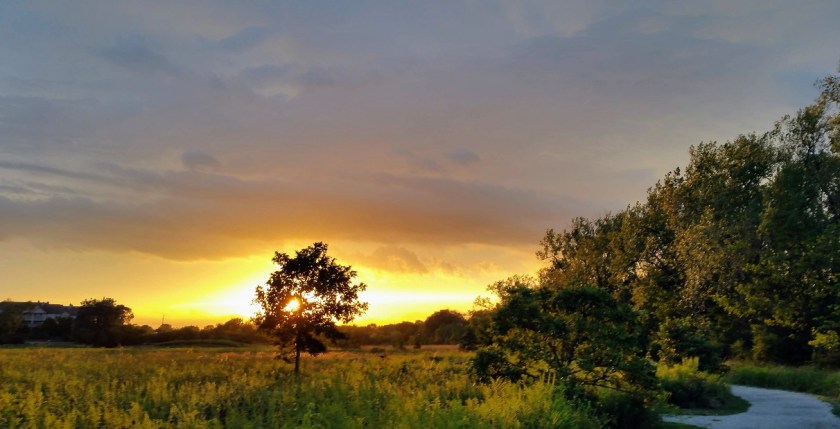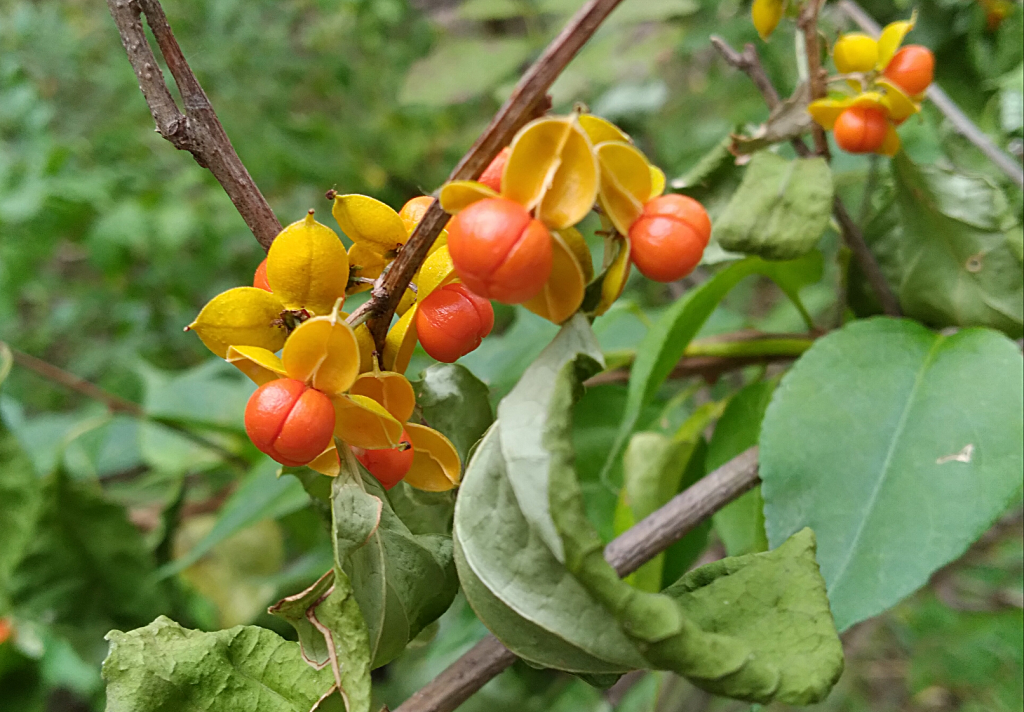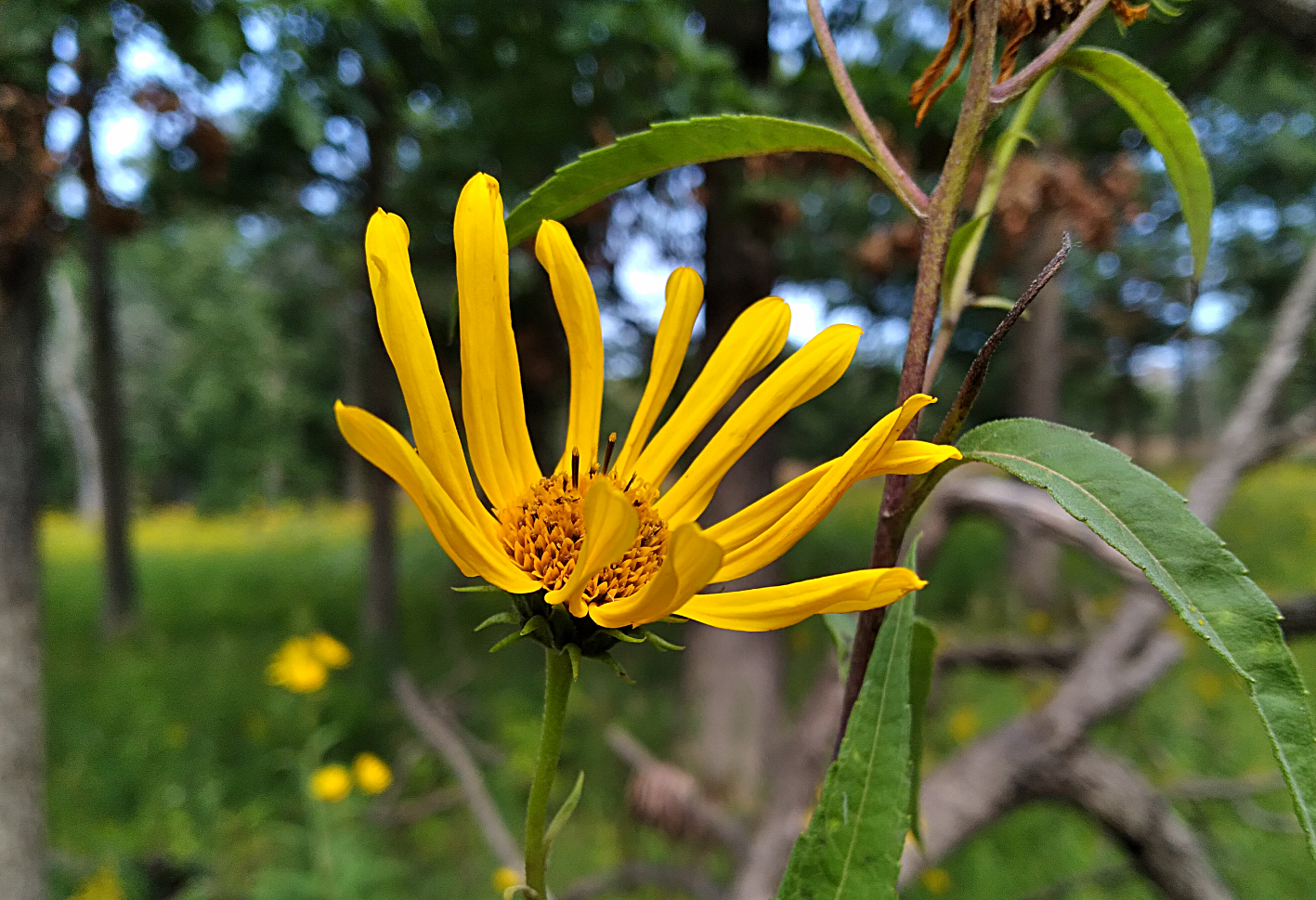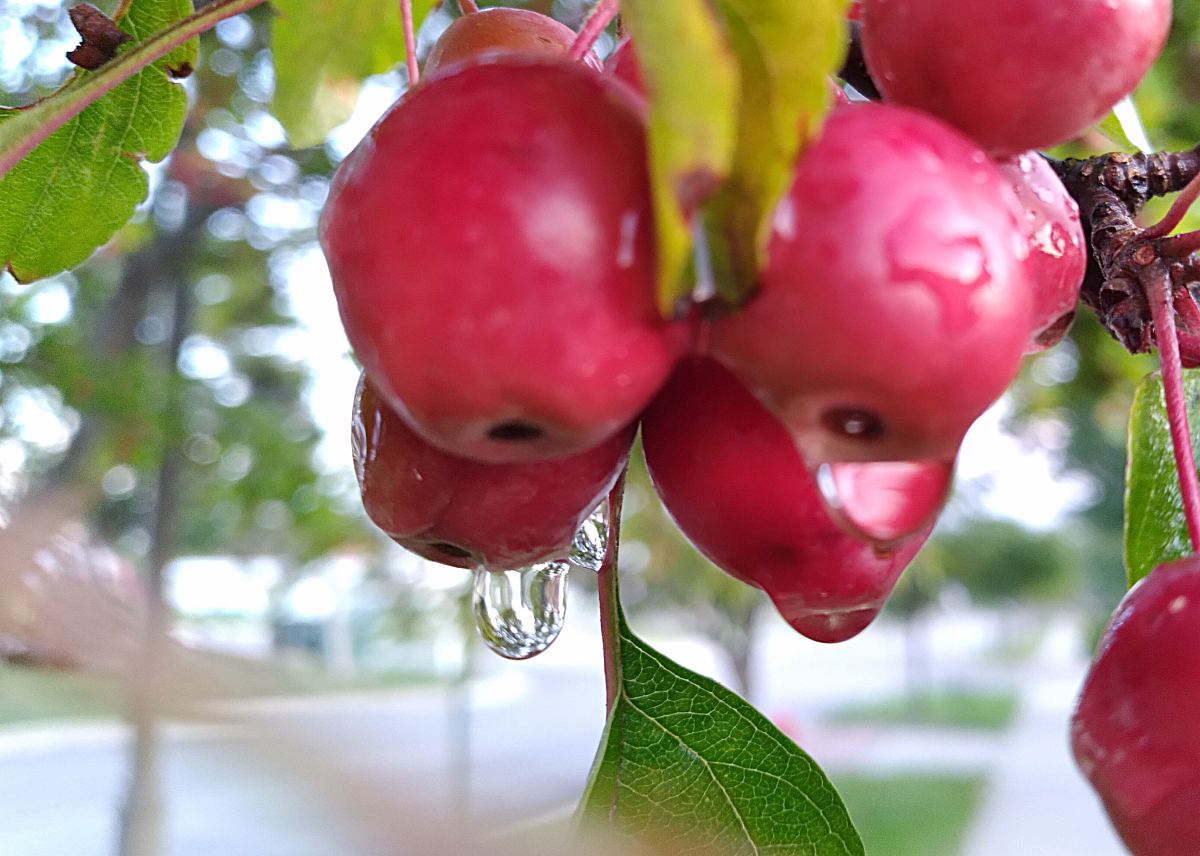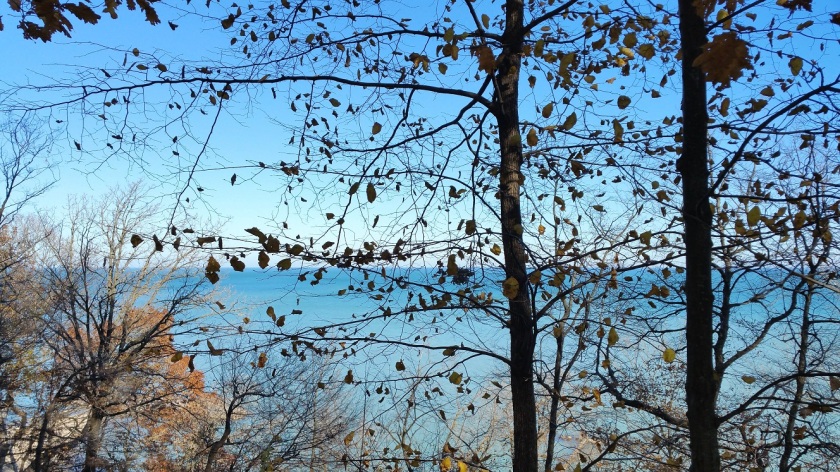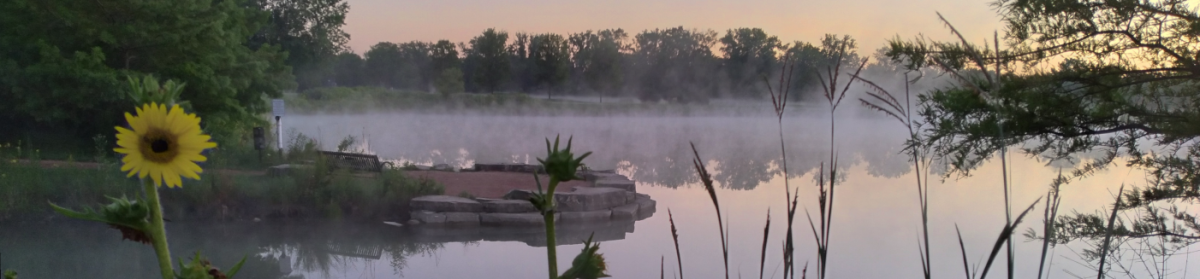
George was told that the fall colors this year were particularly beautiful near the nature center and so he went there and followed a trail leading from the picnic tables by the river.
He hadn’t thought that he had ever been there before, a place where parents would take young children, but then the fountain of his memory opened. He recalled that there should be a loop up ahead of this trail leading back to the center and sure enough there it was with the remembered rustic rail fencing and signs. He also remembered his father and uncle slowly walking behind him while his mother and aunt were waiting for them with sandwiches and pie.
As George returned to the nature center, having forgotten all about the foliage, a rush of regret and remorse led to repentance, something he should have expressed decades ago, for all of his idle words and rebellious deeds directed against his family. Leaving the center he felt a burden lift from his heart opening a future he had not imagined was even there before, but which had been waiting for him all this time.
Denise offers the prompt word “fountain” to be used in this week’s Six Sentence Stories. I was thinking of the last two verses of Psalm 138.